


Lawyers change lives. They comfort people on their hardest days. They defend rights. They bring clarity where there is confusion and hope where there is fear. In a world where hope is needed more than ever.
The year ahead will bring new tools, new expectations, and new pressures, but it will also bring opportunity. Firms that rethink how they welcome, guide, and support clients will widen access to justice and strengthen the human heart of the profession. But they will also reap the commercial benefits, winning and helping more clients every day.
This guide examines the shifts that will impact how small and mid-sized firms manage intake, communication, and client service in 2026. It focuses on how and when your firm meets a client for the first time, because that first touchpoint shapes everything that follows.
Trend 1: Clients choose the firm that cares.
People won’t wait days to hear back from a lawyer. They are making decisions in minutes. Clio found that the majority of clients hire the first lawyer who responds to their inquiry. And Hennessey Digital found that, of firms that responded, 32% responded to lead form submissions within 30 minutes.
Many callers will try another firm when their call goes unanswered. Not only because they are shopping around, but because they urgently need help. When someone is overwhelmed, the firm that answers becomes the firm that cares most.
For small and midsize firms, this creates a structural pressure point. When lawyers and in-house receptionists are already stretched thin, even small interruptions mean lost clients.
However, responsiveness isn’t the only metric that matters. Human understanding is important too. Although AI solutions might provide an always-on solution to availability, 1 in 3 people said they would hang up if connected to an automated service. Firms stand to lose almost a third of their leads before they even speak to them.
In 2026, firms will meet this demand with flexible human support. 24/7 scalable answering services like LEX Reception provides an immediate response and an empathetic first touchpoint.
Faster routing. More consistent human coverage. Intake that allows lawyers to step in only once the caller is qualified and engaged. And enhanced client service that helps grow their firm.
Trend 2: Human connection has more value.
Technology is accelerating at a remarkable pace. Yet clients remain clear about one thing. They want a real person to guide them. Our AI and Client Service in Law Firms research found that:
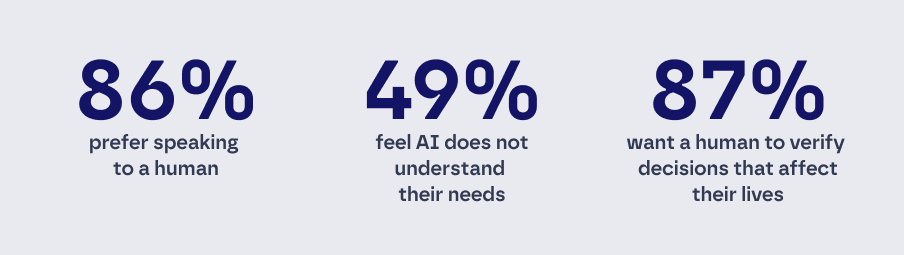
(LEX Reception AI & Client Service Report, 2025)
As AI becomes more omnipresent, human presence becomes more meaningful. Clients do not simply want efficiency. They want empathy. They want accountability. They want to feel safe.
Lawyers are uniquely positioned to meet that need. The firms that thrive in 2026 will combine smart tools with human warmth, so technology supports legal work without replacing the relationships at its heart.
Trend 3: Intake is a powerful growth engine.
Clio’s 2025 report highlights that firms with strong intake processes convert more leads and deliver a more consistent client experience.
For many small and mid-sized firms, getting this right can be challenging. Intake drains hours every week. Calls arrive while you’re at court. Voicemails pile up. Staff juggle administrative work while clients wait for confirmation.
LEX call insights show that almost 30% of legal calls happen outside standard office hours (LEX Internal Data). Firms that capture these after-hours leads get more opportunities for growth. And help more people.
In 2026, intake will evolve from a background task into a strategic function. It will help firms grow without burning out their teams. It will give lawyers time back. It will help more people access legal support quickly.
Trend 4: Clients expect simple, human guidance across every channel.
Clients do not want to guess how to reach you. Clio reports that clients choose firms that make the process easy to understand from the start.
Clear forms. Real-time chat. Phone calls where a calm voice answers every time.
LEX receptionists frequently speak with callers who struggle to articulate their issue. Confusion. Stress. Uncertainty. Good intake calms people. It helps them find their footing. It proves the firm cares before a lawyer even enters the room.
Firms that simplify the first step make the law feel accessible. They build trust not through promises, but through the lived experience of interacting with the firm.
Trend 5: Heavy workloads and heightened expectations make support essential.
Clio’s data shows that many lawyers spend more than half their day on non-billable tasks. Firms that can streamline communication reclaim substantial amounts of time.
LEX Reception sees this daily. Firms that shift call handling, scheduling, and lead qualification to a dedicated team gain hours back each week. Hours that become case preparation, client meetings, or simply rest.
In 202,6 lawyers will continue to face rising expectations with limited time. Support systems that ease their workload will become central to sustainable practice. Intake is not only about business growth. It is about protecting the well-being of the people who serve clients.
Trend 6: Clients expect proactive communication.
Clients no longer want to wait for information. They want steady, proactive updates from the moment they first contact a firm. Clio reports that communication gaps are one of the top reasons clients feel dissatisfied or anxious during a legal matter:
https://www.clio.com/resources/legal-trends/
LEX Reception sees the same pattern through caller behaviour. Many clients call back repeatedly when they do not know what comes next or when they feel unsure about who to contact. These “check-in” calls create extra work for lawyers and staff, yet they reflect something deeper. People want reassurance. They want to know their case matters.
In 2026, firms will shift from reactive communication to proactive clarity. Intake teams will set expectations early. Scheduling and messaging tools will send automated updates. Human reception will be there when clients need to talk to someone who understands the situation.
This shift reduces stress for the client and reduces interruptions for the lawyer. It builds trust before the legal work even begins.
Trend 7: Human-guided technology, not automation alone.
AI can analyse documents or summarise discovery, but clients do not want it to guide them through their legal matter. .
The LEX AI report revealed how strongly clients feel about this. They want a person involved at every meaningful stage. A human who can understand nuance. A human who can show care.
The future of client service blends the best of both worlds. Efficiency with empathy.
This hybrid approach will define industry-leading law firms in 2026.
What These Trends Mean for You
The year ahead offers lawyers an opportunity to reshape client service as a force for good. To reduce friction. To widen access. To deliver clear communication at moments when people need reassurance the most.

The challenge is doing this while also protecting your time and attention.
LEX Reception can solve that tension.
Our 24/7 legal receptionists answer every call. They qualify leads. They schedule consultations. They create a calm and consistent experience for clients. They allow lawyers to focus on the work only they can do.
When intake becomes a human-centered system, clients feel supported, and lawyers feel empowered. This is what builds trust. This is what drives growth. This is what makes the law more accessible in 2026.